
How to be a (Roman) man
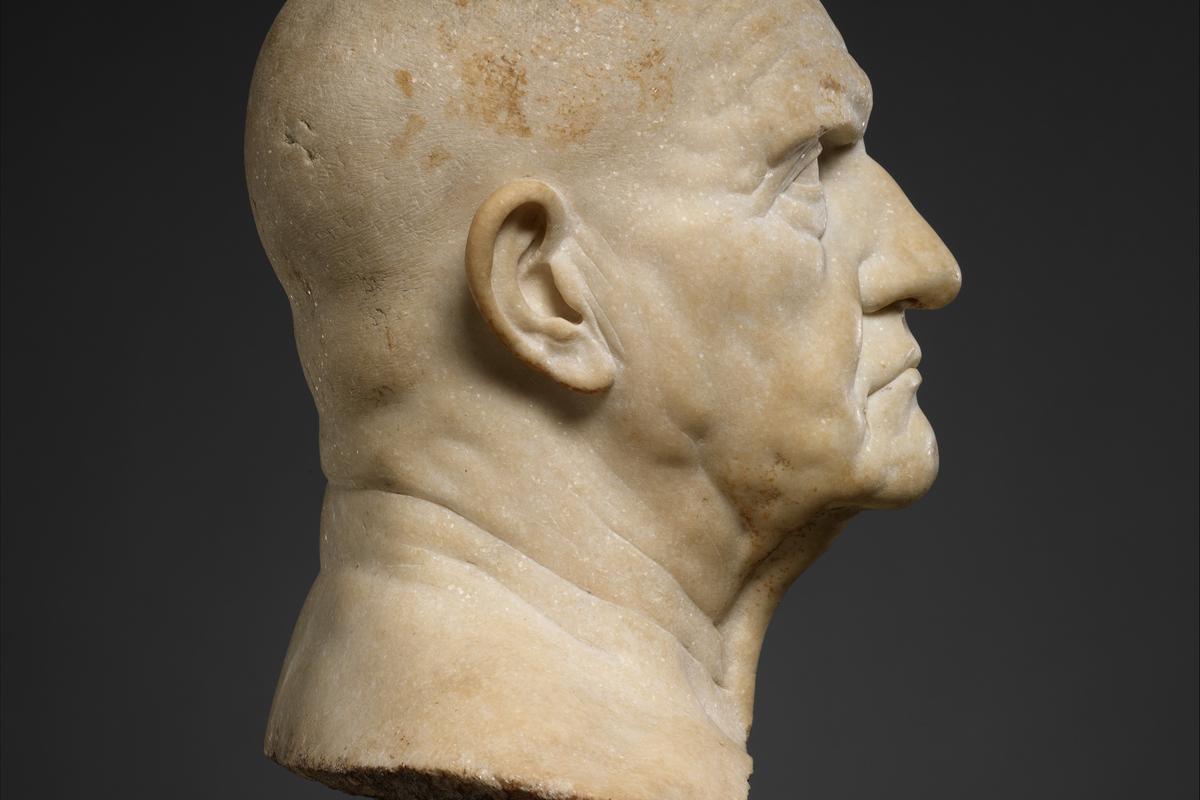
Cicero’s ideal of manly virtue stressed the performance of self-control and bravery, not boastful egotism and domination- by Catharine EdwardsRead on Aeon
Résumé
Roman masculinity basics
In ancient Rome, masculinity was closely tied to power, hierarchy, and achievement, particularly in the political and military spheres.
The term virtus (from vir, meaning 'man') originally referred to 'courage in war' and was central to Roman ideals of manhood.
Being called 'effeminate' was a serious insult for Roman men, as femininity was associated with weakness or shame.
Roman masculinity was not just about physical strength; it also involved public behavior, speech, and adherence to social norms.
For example, the toga, a woolen garment worn by adult male citizens, symbolized civilian life and contrasted with military roles.
Cicero, Rome’s most famous orator, embodied these ideals, using his rhetorical skills to advance his political career and defend the republic.
Lire l'analyse complète en 5 points →
Commentaires (0)
Connecte-toi pour commenter
Se connecterAucun commentaire pour le moment.
Voir aussi
Plus de contenus dans cette catégorie →Découvre plus de contenu sur Napseflow



