What Peatlands Can Teach Us About Time
I am sitting in a frost pocket in West Virginia, looking at a Canada warbler. It is World Migratory Bird Day in spring, the second Saturday of May, and I have spent the past week in search of warblers. The
Résumé
Peatlands as time capsules
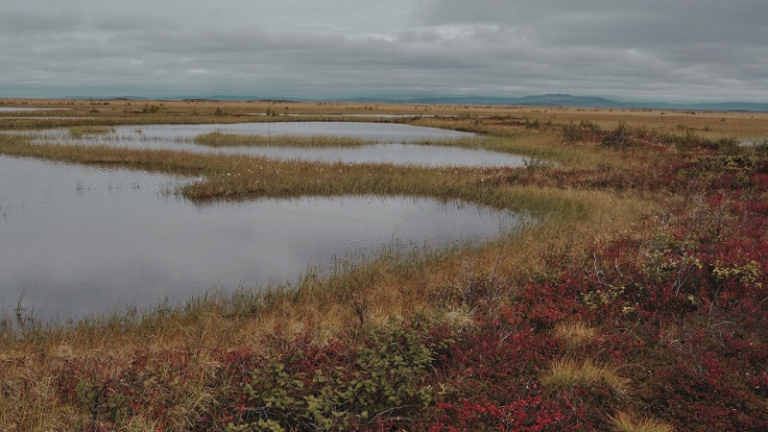
Peatlands are wetlands that accumulate organic matter over thousands of years, forming layers of peat that act like natural archives.
The process is extremely slow: in a human lifetime, a peatland might deepen by only a few inches.
Peat forms when plant material, such as leaves and mosses, dies and decays slowly in waterlogged, acidic conditions.
This slow decay preserves plant fragments, seeds, and pollen, which scientists can analyze to reconstruct past environments.
For example, core samples from peatlands reveal changes in plant species and climate over millennia.
Peatlands also store vast amounts of carbon, making them critical to Earth's climate system.
Healthy peatlands cover about 3 to 4 percent of the world's land but hold twice as much carbon as all the planet's forests combined.
Lire l'analyse complète en 5 points →
Commentaires (0)
Connecte-toi pour commenter
Se connecterAucun commentaire pour le moment.
Voir aussi
Plus de contenus dans cette catégorie →Découvre plus de contenu sur Napseflow