On Falling Out of Love With Moscow
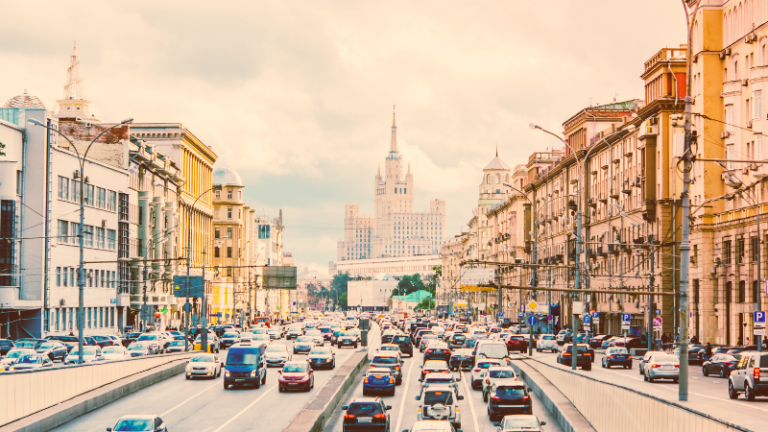
I grew up in Moscow at the tail end of the Soviet era. Despite its grand title—the capital of the USSR—the city of my youth held little charm. Life, at least for my family, was defined by scarcity, monotony, and
Résumé
Soviet-era Moscow
The author grew up in Moscow during the final years of the Soviet Union, a period marked by severe economic scarcity and limited personal freedoms.
Life in the city was characterized by monotony and drabness, with few opportunities for intellectual or creative stimulation.
Schools offered little beyond basic education, and extracurricular activities were nonexistent.
The author and their friends spent much of their time wandering identical neighborhoods filled with identical apartment blocks, broken-down parks, and stores with empty shelves.
Cultural exposure was restricted to smuggled VHS tapes of American movies, which depicted lifestyles in the U.S.
as vastly more exciting and free.
The author longed for experiences like visiting malls, eating in restaurants, or wearing Western clothing such as Levi’s jeans and graphic T-shirts, which were inaccessible due to the Soviet system's isolation.
Lire l'analyse complète en 7 points →
Commentaires (0)
Connecte-toi pour commenter
Se connecterAucun commentaire pour le moment.
Voir aussi
Plus de contenus dans cette catégorie →Découvre plus de contenu sur Napseflow