The Singapore strategies
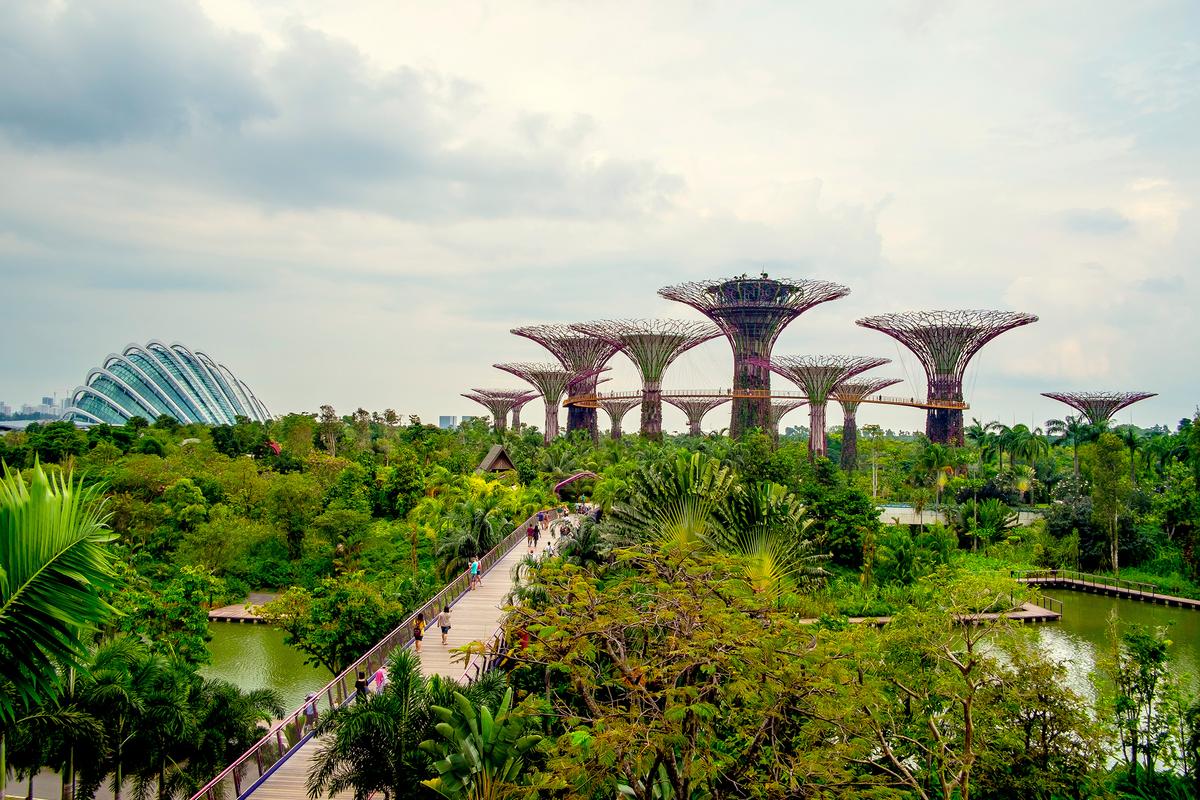
The nation’s water is secure, but its food is another matter: lessons from the city-state in efficiency versus self-sufficiency- by Peter A CoclanisRead on Aeon
Résumé
Brunei's rice plan
In 2010, the author advised Brunei against pursuing self-sufficiency in rice production, arguing that the country should instead import rice from neighboring Southeast Asian nations, which form the world's rice belt.
Brunei is a small, wealthy sultanate on the island of Borneo, with an economy based on oil and natural gas.
The author suggested Brunei should leverage its wealth to purchase rice rather than attempt to grow it inefficiently on unsuitable tropical soil.
Despite significant investment, Brunei’s rice self-sufficiency remained low, producing only 8% of its rice consumption in 2024, up from 4.8% in 2017.
The author recommended Brunei could achieve its goals more effectively by buying or leasing farmland abroad and hiring agricultural workers to grow rice for the country, rather than trying to produce it domestically.
Lire l'analyse complète en 6 points →
Commentaires (0)
Connecte-toi pour commenter
Se connecterAucun commentaire pour le moment.
Voir aussi
Plus de contenus dans cette catégorie →Découvre plus de contenu sur Napseflow