On the Life-and-Death Cycles at the Heart of Sylvia Plath’s Work
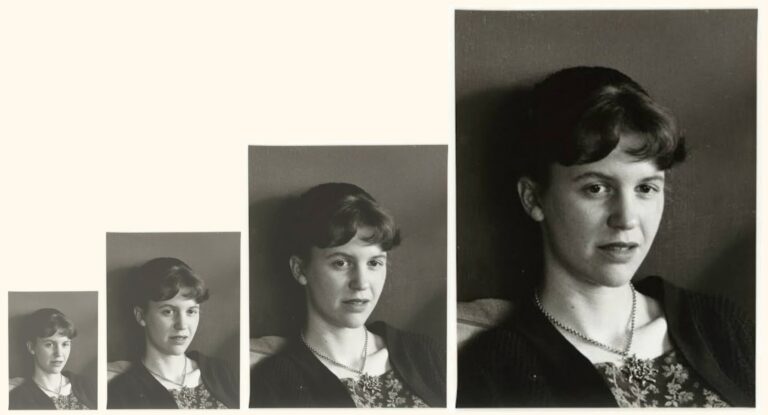
In 1971, eight years after Sylvia Plath died, a dispute over the backstory of her death broke out between her husband Ted Hughes and the poet and critic Al Alvarez. Alvarez, a friend of Plath, published a book which, in
Résumé
Plath’s early loss
Sylvia Plath experienced death at a young age, which deeply influenced her writing.
Her father died when she was eight, and at 13, she wrote a poem titled To Miss Cox after her beloved teacher passed away.
Her mother typed the poem and slipped it under her napkin at dinner, later publishing it in Plath’s school newspaper as an elegy.
The poem uses nature’s seasons to frame death as part of a cycle, with each season—spring, summer, fall, winter—representing both an end and a necessary step toward renewal.
This cyclical view of life and death became a recurring theme in Plath’s work, reflecting her lifelong struggle to find meaning in loss.
Lire l'analyse complète en 6 points →
Commentaires (0)
Connecte-toi pour commenter
Se connecterAucun commentaire pour le moment.
Voir aussi
Plus de contenus dans cette catégorie →Découvre plus de contenu sur Napseflow