Penchants of the polymaths
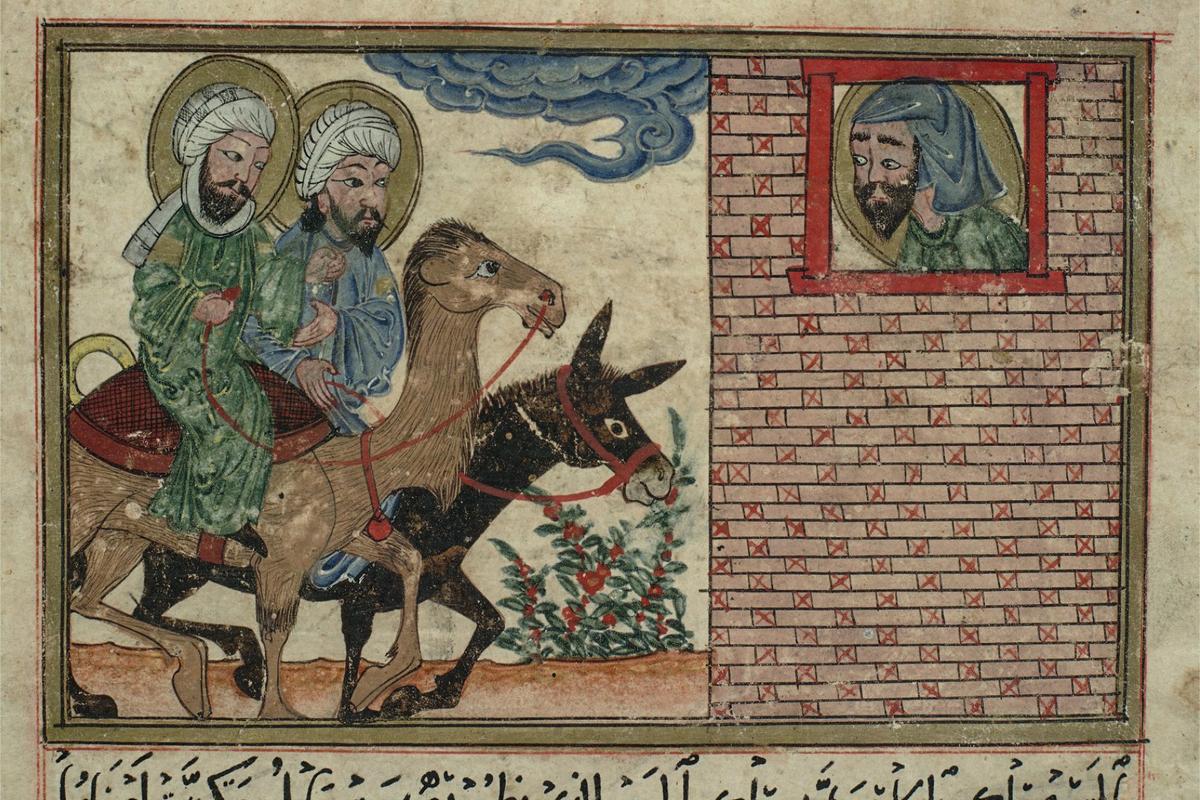
The fathers of Islamic science hold lessons for students: breadth over specialisation, and never let constraints get in the way- by Mariam SabriRead on Aeon
Résumé
Four Islamic polymaths
The article highlights four influential scholars from the Islamic Golden Age—al-Biruni (c.
973–1048), Alhazen (c.
965–1040), Avicenna (980–1037), and al-Khwarizmi (c.
780–850)—who made groundbreaking contributions across multiple fields such as mathematics, medicine, astronomy, philosophy, and poetry.
These polymaths lived in different circumstances: al-Biruni faced scarcity but innovated; Alhazen was held under house arrest for a decade; Avicenna synthesized vast medical knowledge; and al-Khwarizmi worked at the largest research institution of his time.
Despite their varied backgrounds, they shared a common approach: moving freely between disciplines to test assumptions and solve problems.
Their work demonstrates that breadth of knowledge, rather than narrow specialization, can lead to enduring scientific breakthroughs.
The article argues that this interdisciplinary approach, rooted in Islamic intellectual traditions, offers valuable lessons for modern education, particularly in addressing challenges like climate change and social injustice.
Lire l'analyse complète en 6 points →
Commentaires (0)
Connecte-toi pour commenter
Se connecterAucun commentaire pour le moment.
Voir aussi
Plus de contenus dans cette catégorie →Découvre plus de contenu sur Napseflow