Decoding Ediacaran fossils
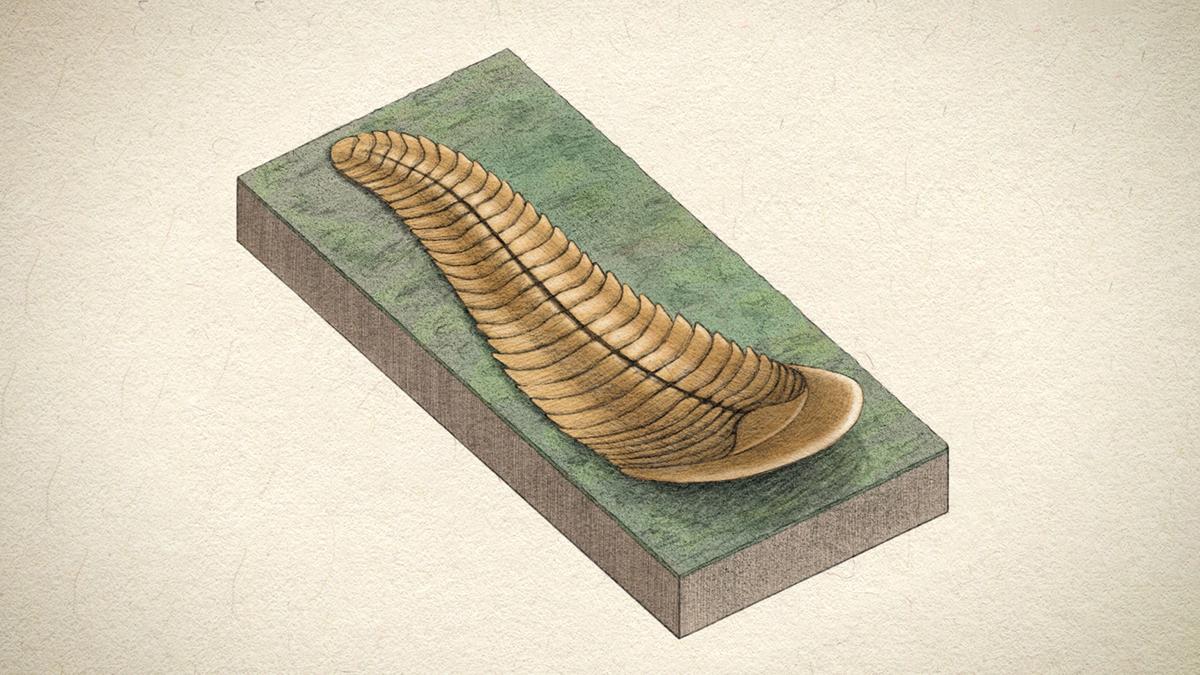
Ancient specimens reveal how animals began to move half a billion years ago – and even the first known example of ‘handedness’- by Aeon VideoWatch on Aeon
Résumé
Ediacaran period basics
The Ediacaran is a geological period that occurred over 500 million years ago, marking the dawn of complex life on Earth.
During this time, the earliest multicellular organisms began to appear in the world’s oceans.
These life forms were not yet animals as we know them today but represented a crucial step in evolution.
The Ediacaran followed the Cryogenian period, which saw Earth covered in ice, and preceded the Cambrian period, famous for the rapid diversification of life known as the Cambrian explosion.
Fossils from this era are rare and often difficult to interpret, making them a key focus for paleontologists studying the origins of complex life.
Lire l'analyse complète en 6 points →
Commentaires (0)
Connecte-toi pour commenter
Se connecterAucun commentaire pour le moment.
Voir aussi
Plus de contenus dans cette catégorie →Découvre plus de contenu sur Napseflow