Unearthing What Archaeologists Can and Cannot Know
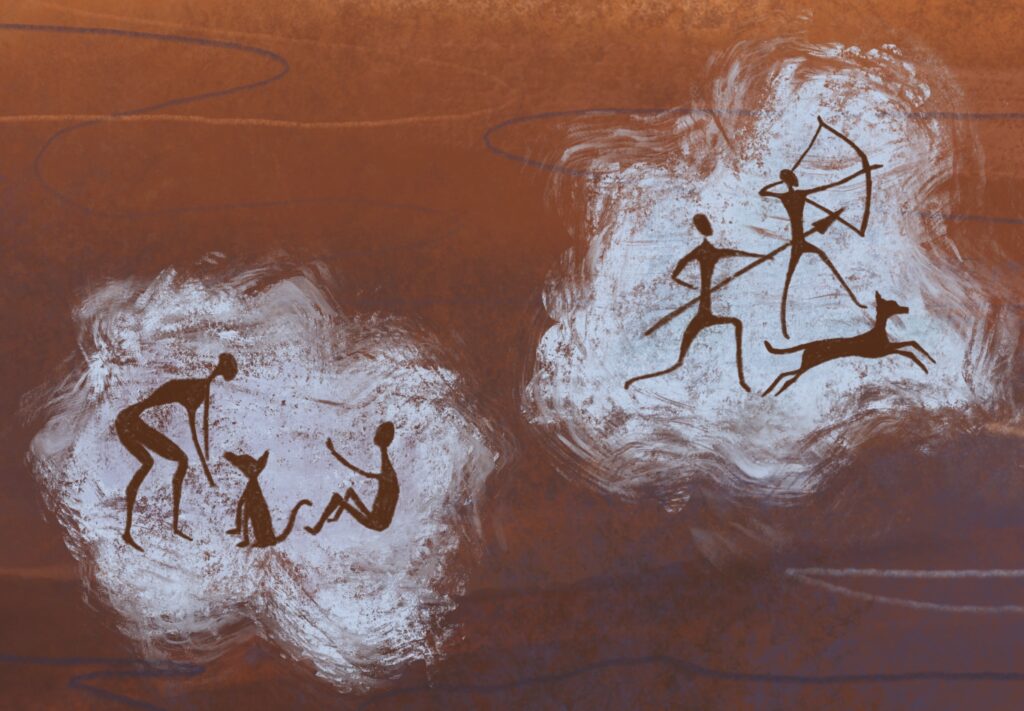
An archaeologist studying 1,000-year-old dog burials reflects on the need for imagination in archaeology. ✽ WITH STEADY HANDS, a crouching… The post Unearthing What Archaeologists Can and Cannot Know appeared first on SAPIENS.
Résumé
Archaeology's limits
Archaeologists study human and animal remains from hundreds or thousands of years ago to reconstruct past lives and deaths.
They use tools like examining bone arrangement, wear patterns, and biomolecules (molecules derived from living organisms) to gather evidence.
However, the past rarely provides clear answers, especially when questions involve motivations, beliefs, or identity.
Even with advanced methods, archaeologists often face ambiguity in interpreting their findings.
For example, when excavating a 1,000-year-old grave containing both human and dog remains, the bones suggest a shared burial but do not reveal the exact relationship between the two individuals or their beliefs about death.
This uncertainty forces archaeologists to balance evidence with imagination, acknowledging that their interpretations may be influenced by their own worldviews.
Lire l'analyse complète en 6 points →
Commentaires (0)
Connecte-toi pour commenter
Se connecterAucun commentaire pour le moment.
Voir aussi
Plus de contenus dans cette catégorie →Découvre plus de contenu sur Napseflow