Continental divide
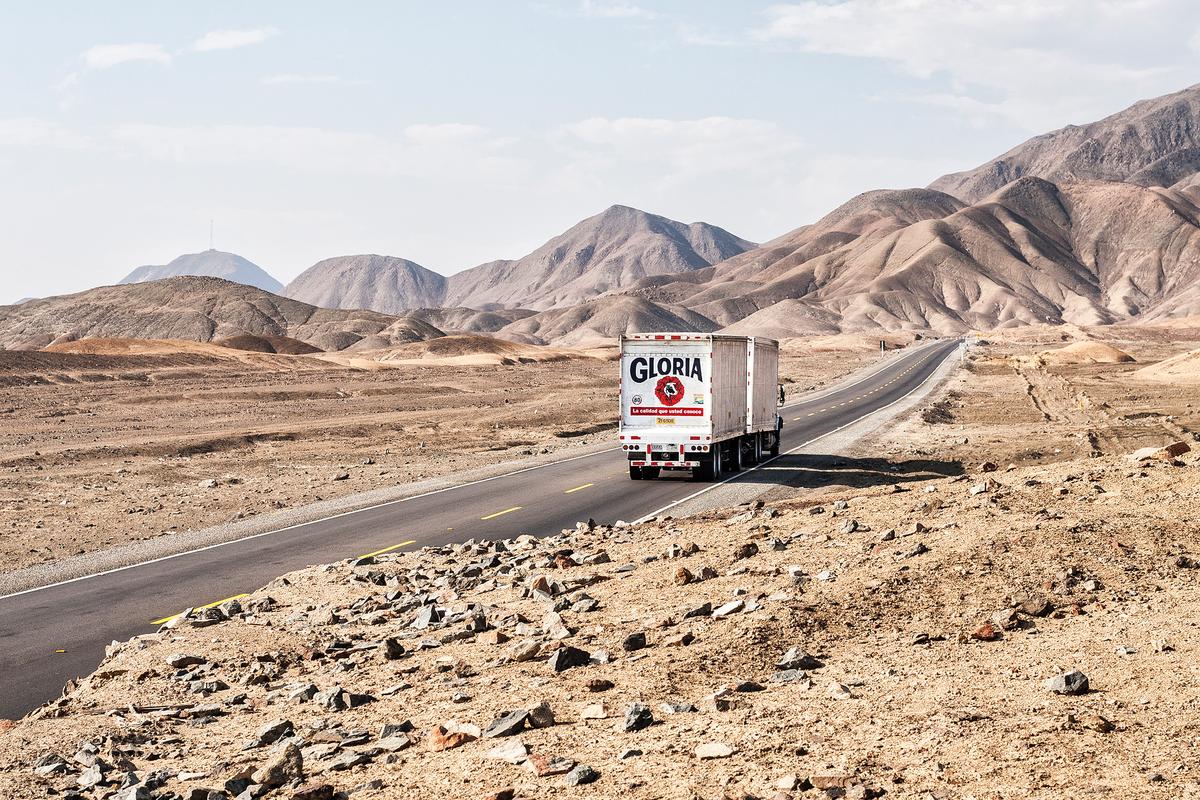
A century ago, the Pan-American road promised a new era of fraternity between the two continents. Did it succeed?- by Shawn MillerRead on Aeon
Résumé
A Brazilian's dream
In 1928, Leônidas Borges de Oliveira, a Brazilian army officer, set out to drive from Rio de Janeiro to Washington, DC, inspired by the idea of a Pan-American Highway—a continuous road linking the Americas.
His journey began on Brazil’s new highway connecting Rio to São Paulo, a 300-mile stretch of alternating gravel and asphalt.
Oliveira’s trip was part of a broader movement in the 1920s and 1930s, when the idea of a hemispheric road gained traction.
The US Department of Commerce, led by former auto executives, promoted the concept as a Highway of Friendship, aiming to strengthen cultural and economic ties between North and South America.
Oliveira’s drive was celebrated in Brazil, where his nation’s 1891 constitution guaranteed citizens the right to move freely without legal restrictions.
He saw the highway and the automobile as tools to make this freedom a reality on a continental scale.
Lire l'analyse complète en 5 points →
Commentaires (0)
Connecte-toi pour commenter
Se connecterAucun commentaire pour le moment.
Voir aussi
Plus de contenus dans cette catégorie →Découvre plus de contenu sur Napseflow