In praise of zealotry
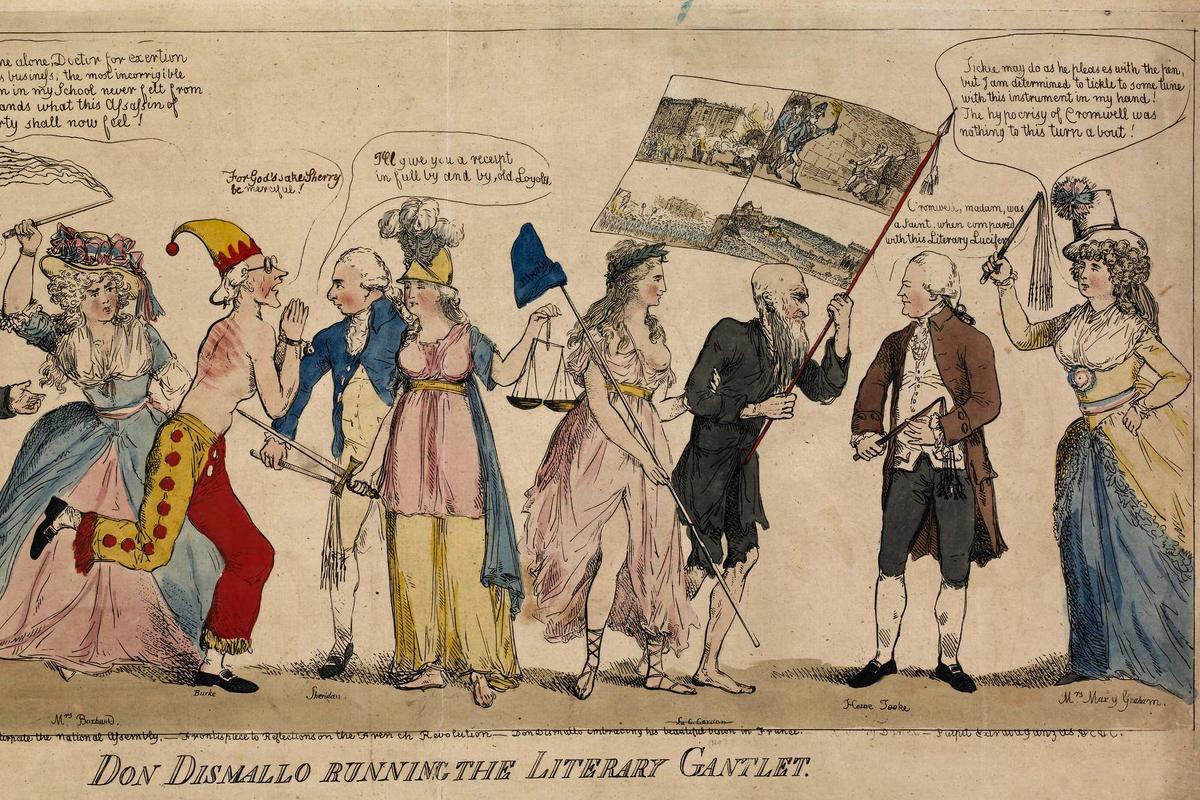
Early feminists like Mary Astell and Catharine Macaulay refused their male peers’ advice to remain polite in debate. Why?- by Geertje BolRead on Aeon
Résumé
Two defiant women
In the early 1700s, two English women, Mary Astell (1666–1731) and Catharine Macaulay (1731–91), challenged powerful male figures through political writing.
Astell, a conservative feminist, wrote pamphlets attacking prominent Whig politicians like John Locke, while Macaulay, a radical republican, criticized Edmund Burke, a key conservative thinker.
Both women were dismissed as 'offensive,' 'zealous,' or 'virulent' for their sharp, direct arguments.
For example, Astell’s 1704 pamphlet Moderation Truly Stated openly embraced fiery language, calling it the 'Quintessence of Gall' rather than the 'Extract of Honey.' Burke mocked Macaulay as a 'patriotic scolding' Amazon, yet admitted he feared engaging with her.
Their experiences highlight how women’s political voices were often silenced or ridiculed in 18th-century England.
Lire l'analyse complète en 6 points →
Commentaires (0)
Connecte-toi pour commenter
Se connecterAucun commentaire pour le moment.
Voir aussi
Plus de contenus dans cette catégorie →Découvre plus de contenu sur Napseflow