How the Growing Role of Memoir in the Academy Offers a New Way to Teach Race and Gender
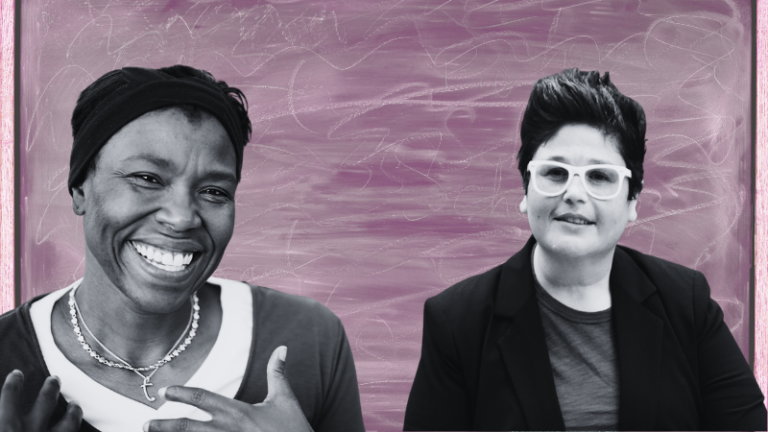
In this conversation, two sociologists discuss how to balance personal perspective with an academic approach to memoir. From writing, to reading, to teaching memoir, these authors offer a unique perspective on the growing role of memoir in the academy and
Résumé
Memoir in academia
Memoir is gaining recognition in academic circles as a tool for teaching and discussing complex social issues like race and gender.
Traditionally, academic writing prioritizes data and formal analysis, often excluding personal perspectives.
However, two sociology professors, Tiffany Gayle Chenault and Georgiann Davis, argue that memoir can bridge the gap between scholarly rigor and public accessibility.
Chenault, a professor at Salem State University, and Davis, a professor at the University of New Mexico, have written memoirs that blend their personal experiences with sociological insights.
Their books, Black Woman Runner: A Memoir and Five Star White Trash: A Memoir of Fraud and Family, respectively, demonstrate how personal narratives can illuminate broader societal patterns.
The authors highlight that memoir allows scholars to connect with students and readers on a human level, making abstract concepts more relatable.
Despite skepticism from some academics who view memoir as less rigorous, the genre is increasingly being integrated into sociological research and teaching, as evidenced by a packed panel discussion at the American Sociological Association conference.
Lire l'analyse complète en 4 points →
Commentaires (0)
Connecte-toi pour commenter
Se connecterAucun commentaire pour le moment.
Voir aussi
Plus de contenus dans cette catégorie →Découvre plus de contenu sur Napseflow