Who Gets to Have a Baby in America? On the High Cost of Fertility in America
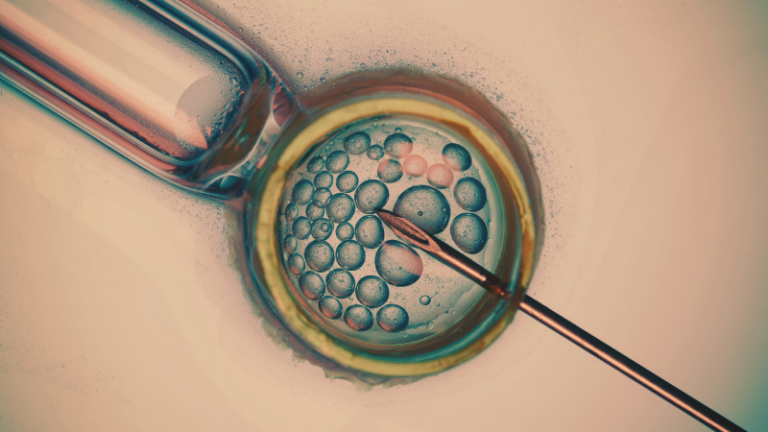
For as long as people have had children, some groups and individuals have had their procreation encouraged, subsidized, even prized—think of queens celebrated for bearing male heirs to their royal mates, or the “Better Baby” and “Fitter Family” contests of
Résumé
History of selective pronatalism
Selective pronatalism refers to policies or cultural attitudes that encourage or discourage reproduction based on specific traits, such as race, nationality, or socioeconomic status.
Historically, this has taken extreme forms, like Nazi Germany’s Lebensborn program, which promoted births among ‘racially valuable’ mothers while forcibly sterilizing or killing those deemed ‘genetically inferior.’ Today, selective pronatalism persists in subtler ways, such as insurance coverage rules or fertility clinic criteria that favor certain groups.
For example, some countries or states restrict access to fertility treatments like in vitro fertilization (IVF) based on marital status, sexual orientation, or age.
The article highlights how these biases can exclude individuals or couples who do not fit traditional norms, even when they desire to have children.
The concept is contrasted with the Universal Declaration of Human Rights, which states that adults have the right to marry and found a family without discrimination.
Lire l'analyse complète en 5 points →
Commentaires (0)
Connecte-toi pour commenter
Se connecterAucun commentaire pour le moment.
Voir aussi
Plus de contenus dans cette catégorie →Découvre plus de contenu sur Napseflow