What Weimar Berlin’s Most Famous Plays Revealed About Artistic Freedom
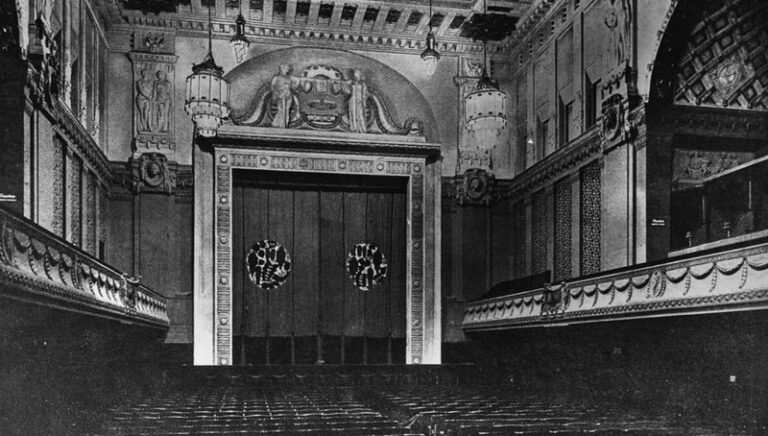
Is there a German word that means the opposite of “doppelgänger”—not the uncannily mysterious twin, but the secretly matched-up opponent who stands for everything one hates and also hates everything one stands for? If so, Bertolt Brecht could have filled
Résumé
Two contrasting writers
In the 1920s Berlin, two influential writers, Bertolt Brecht and Vladimir Nabokov, represented opposing artistic and political visions.
Brecht, born in 1898, was a left-wing playwright who openly supported proletarian causes and Soviet revolutionary ideals, wearing his politics on his sleeve.
Nabokov, born the same year, was a Russian émigré who focused on aesthetics and aristocratic themes, keeping his political views private.
Despite their differences, both began as poets but gained fame in other genres—Brecht as a playwright and theatrical innovator, Nabokov as a novelist.
Their contrasting styles and beliefs reflected the cultural and political tensions of Weimar Germany, a period marked by economic instability, artistic experimentation, and ideological conflict.
Lire l'analyse complète en 6 points →
Commentaires (0)
Connecte-toi pour commenter
Se connecterAucun commentaire pour le moment.
Voir aussi
Plus de contenus dans cette catégorie →Découvre plus de contenu sur Napseflow